Our Executive
Meet Our Team
CARRN’s Executive brings together rural and remote nurses, educators, researchers, and leaders with a shared commitment to strengthening nursing practice across Canada.
Our collective experience spans frontline rural and remote nursing, emergency and acute care, primary care, long-term care, nursing education, research, clinical leadership, and workforce development. This diversity reflects the realities of rural and remote nursing itself—a broad generalist practice requiring adaptability, strong clinical judgment, collaboration, resourcefulness, and deep knowledge of community.
Together, we work to strengthen rural nursing practice by connecting nurses across geography, supporting education and professional development, advancing rural nursing knowledge and research, and advocating for the resources, policies, and systems nurses need to provide safe, equitable care.
Above all, we believe in the strength of rural and remote nurses and the essential role they play in sustaining healthcare in communities across Canada.
2026 - 2028 Executive
President - Michael-Ann Miller | EMAIL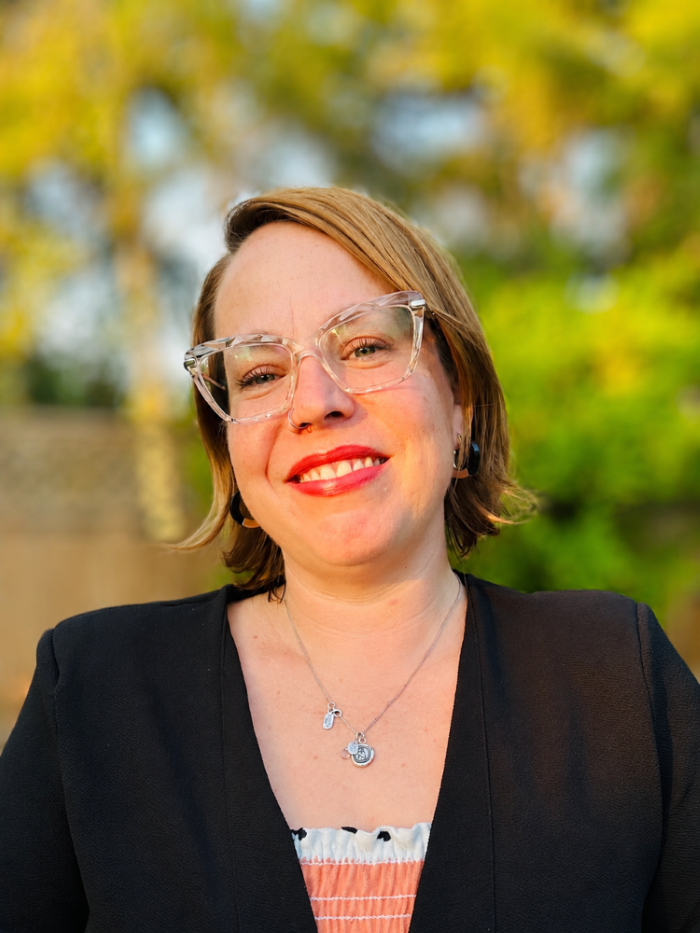
President-Elect - Cates Bayabay| This email address is being protected from spambots. You need JavaScript enabled to view it.
Cates has always lived in densely populated areas, until she worked, lived, volunteered, and hung out with Nunavummiut in the Inuit territory of Nunavut for a decade. It was here that she stumbled upon a professional identity that fits right with her values of resourcefulness and resilience. She became a fierce advocate for health equity and Indigenous rights, using creative ways to inform and influence. Though the transition was tough from being an anonymous face in the city to being highly visible and known in small communities, she found this blurring of personal and professional lines is the strength and competitive advantage of being a nurse in rural, remote, and northern settings. She found solace in CARRN's Framework for Nursing Practice in Rural and Remote Canada, where this unique attribute of rural and remote nurses was well documented and discussed.
Past President - Vacant | This email address is being protected from spambots. You need JavaScript enabled to view it.
Treasurer - Jeslyn Macdonald | This email address is being protected from spambots. You need JavaScript enabled to view it.
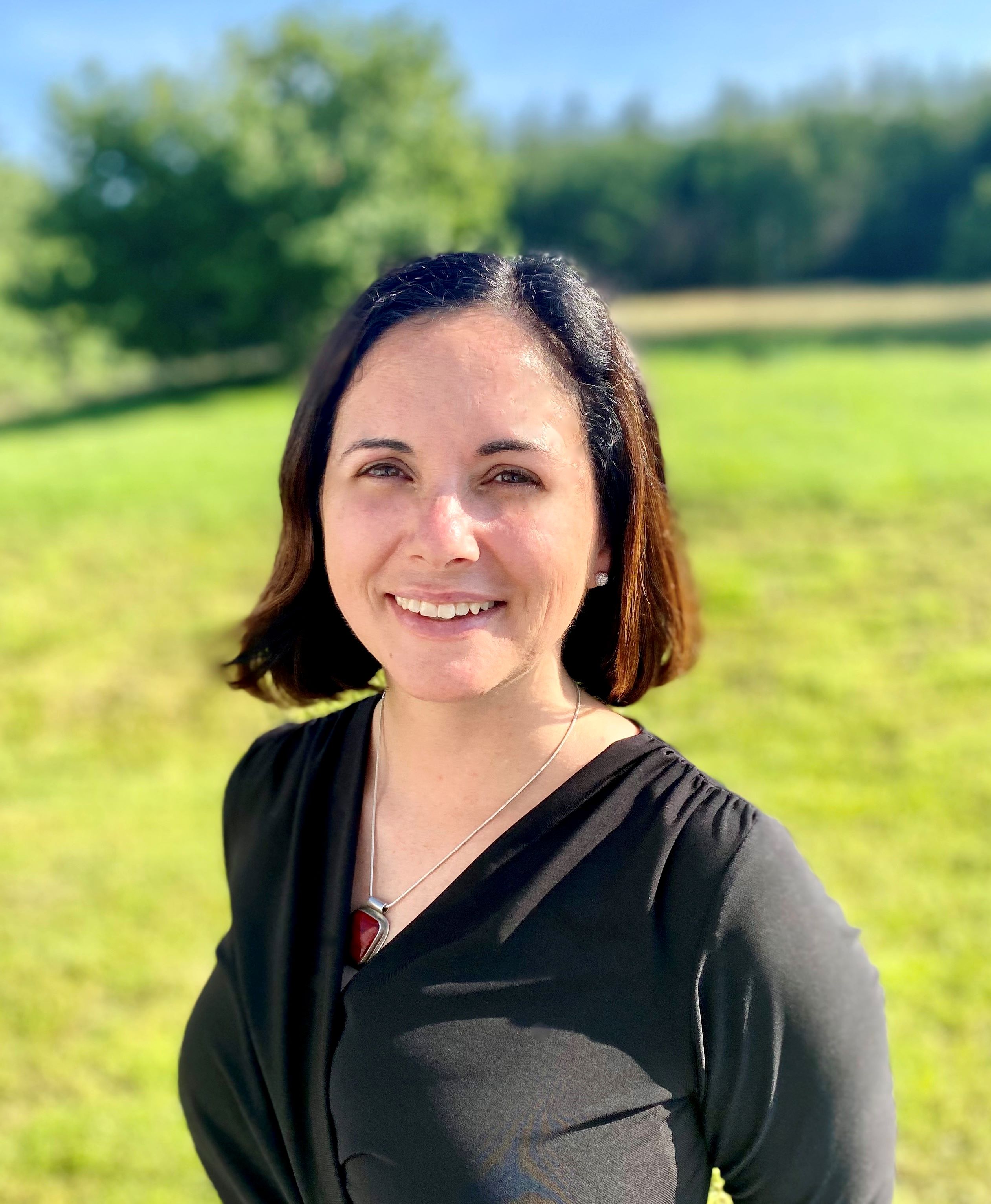 Jeslyn MacDonald grew up in rural Nova Scotia. She holds a Bachelor’s of Science in Nursing, as well as a Master’s of Nursing with Distinction and is a Canadian Certified Nurse Educator. She spent nearly a decade living in the Canadian Arctic, first in Nunavut then in Yukon, where she discovered her passion for rural and remote nursing. Jeslyn has extensive experience in emergency, acute care and community nursing. Currently, she is a nurse educator at St. Francis Xavier University in Antigonish, Nova Scotia where she teaches in both the classroom and clinical settings. Her research interests include recruitment and retention of rural nurses and improving healthcare access and outcomes for rural communities, as well as successful transition to practice for LPN/RPNs to RNs. Jeslyn is excited to be a member of the CARRN executive and to help further elevate the status of rural nursing in mainstream Canada.
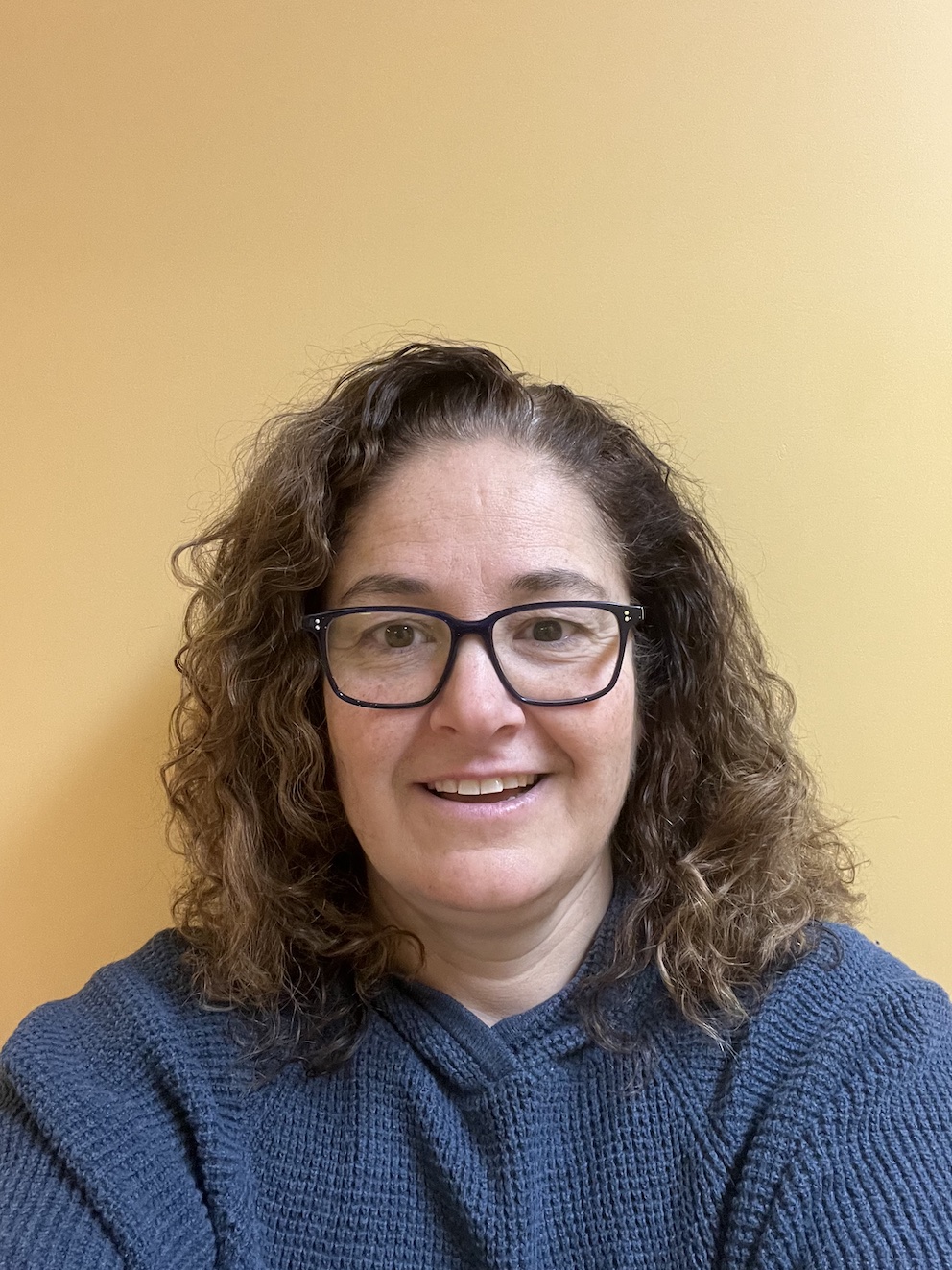 Secretary - Natelle Nordick |
 This email address is being protected from spambots. You need JavaScript enabled to view it.
Natelle grew up on a farm in rural Saskatchewan and has spent her entire career working in the rural Saskatchewan communities that she loves. Natelle acquired her BSN from the University of Saskatchewan in 1996, with plans to work in a big city emergency department or ICU department. However, she quickly found her passion was rural Long Term Care, and has worked in varying roles there ever since, including as a frontline nurse, Clinical Nurse Leader, and Clinical Nurse Educator. Mentoring new staff by sharing her joy of Long Term Care with them, residents, and families are key drivers in Natelle's career.
Membership Coordinator - Sandra Kane | This email address is being protected from spambots. You need JavaScript enabled to view it.
Sandra is a nurse educator and researcher whose work spans nursing education, clinical practice, and northern nursing workforce development. She holds a PhD in Nursing from the University of Calgary, an MN from Athabasca University, and a BScN with Distinction from the University of Alberta. She is currently completing a postdoctoral fellowship with the Institute for Research and Theory Methodologies, focusing on grounded theory and grounded action in nursing education and professional transitions. Sandra is a full-time assistant professor at Mount Royal University and a part-time instructor with Nunavut Arctic College, where she contributes to undergraduate education, curriculum design, and pedagogical innovation. She also works with the Government of Nunavut’s Department of Health, supporting clinical education and mentorship in northern settings. Sandra is Co-Editor of the Grounded Theory Review and serves as Membership Coordinator for the Canadian Association for Rural and Remote Nursing (CARRN), supporting member engagement and proudly representing rural and remote nursing practice across Canada.
Newsletter Editor - Shelly L. Franklin | This email address is being protected from spambots. You need JavaScript enabled to view it. 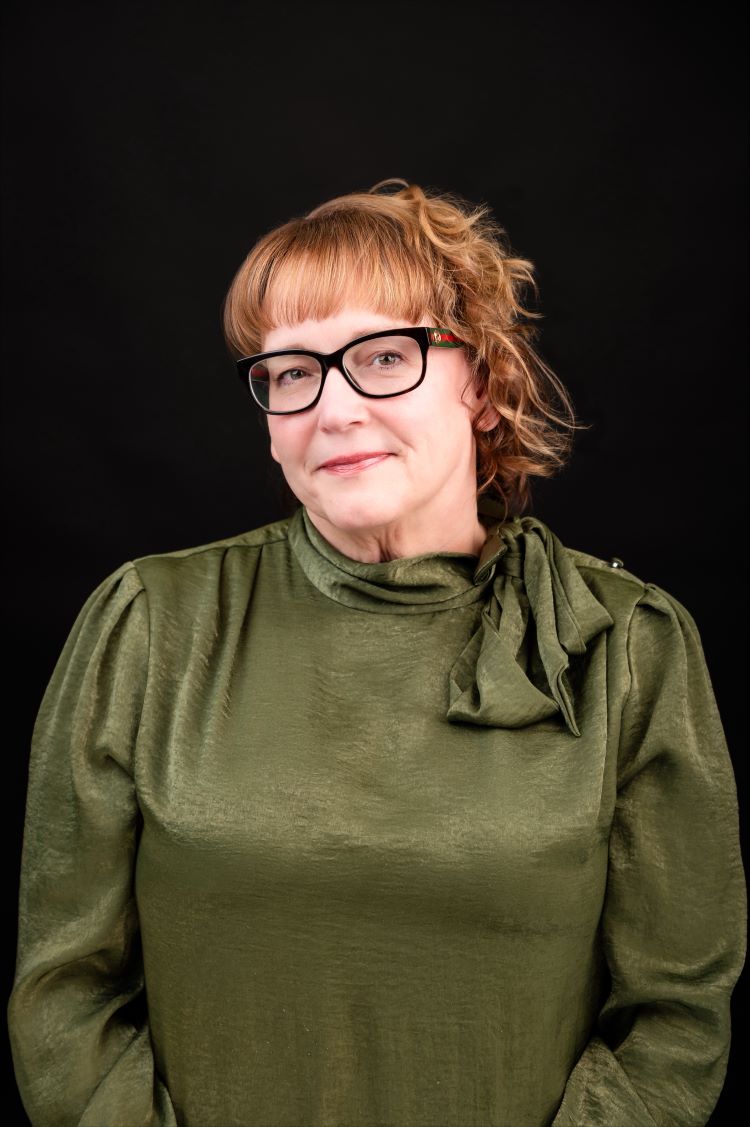
Shelly received her Diploma in Registered Nursing from Grant MacEwan College in 2002, Bachelor of Nursing from the University of Alberta in 2009, and Master of Science in Nursing from Trinity Western University in 2021. She has spent her entire nursing career practicing in rural Alberta, beginning through a Grow Your Own rural education pathway that allowed her to remain in her community throughout her education and career. Her experience spans frontline obstetrical and emergency nursing, clinical education, post-secondary instruction, program management, and leadership. She currently oversees clinical operations at Bonnyville Health Centre with Covenant Health. Shelly is passionate about rural nursing capacity building, collaboration, and partnerships that advance equity in rural healthcare. She advocates for the unique generalist scope of rural nursing and contributes to working groups developing educational resources, guidelines, and policies to ensure a rural lens is consistently represented.